


Energy-Saving Pool Heating Tips for Australian Homes: Efficient Pool Heating Tips
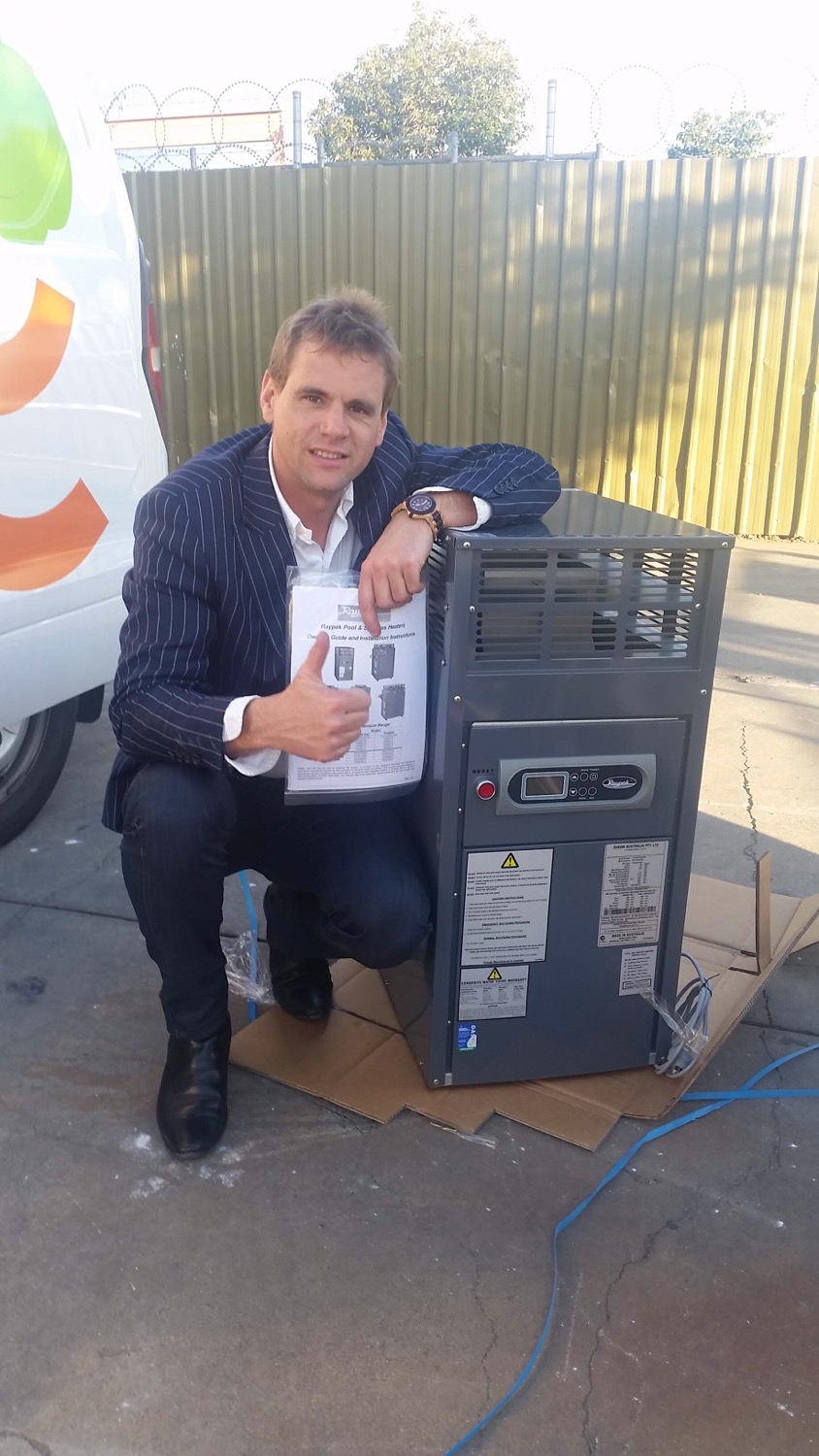
Heating your pool can be expensive if you don’t use the right methods. I’ve learned that with some simple changes, you can save a lot on your energy bills while still enjoying a warm pool. This post shares practical, easy-to-follow tips to help you heat your pool efficiently and save money.
Efficient Pool Heating Tips for Australian Homes
Heating a pool in Australia requires smart choices because of the climate and energy costs. Here are some tips that work well:
Use a pool cover: A good quality pool cover traps heat and reduces evaporation. This keeps your pool warmer for longer and cuts down on heating time.
Heat during off-peak hours: Running your pool heater during off-peak electricity times can save you money.
Maintain your heater: Regular cleaning and servicing keep your heater running efficiently.
Use solar heating: Solar pool heaters use the sun’s energy, which is free and renewable.
Insulate your pool: Adding insulation around your pool can reduce heat loss.
These tips help you get the most out of your pool heater without wasting energy.

How to Maximise Heat Retention in Your Pool
Keeping the heat in your pool is just as important as heating it. Here’s how you can reduce heat loss:
Cover your pool when not in use: A cover reduces heat loss by evaporation, which is the biggest cause of heat loss in pools.
Use a solar blanket: This is a type of cover that absorbs sunlight and transfers heat to the water.
Windbreaks: Installing fences or plants around your pool can reduce heat loss caused by wind.
Lower water features: Waterfalls and fountains cool the water by increasing evaporation, so turn them off when heating.
By focusing on heat retention, you reduce the energy needed to keep your pool warm.
What is the Cheapest Way to Heat a Pool in Australia?
The cheapest way to heat a pool depends on your location and pool size, but generally:
Solar pool heating is the most cost-effective. It uses free solar energy and has low running costs.
Heat pumps are efficient and cheaper to run than gas heaters.
Gas heaters heat water quickly but are more expensive to operate.
Solar heating is ideal if you have good sun exposure. Heat pumps work well in moderate climates. Gas heaters are best for quick heating but cost more over time.

Choosing the Right Pool Heater for Energy Efficiency
Selecting the right heater is key to saving energy. Here’s what to consider:
Heat pumps: They use electricity to move heat from the air to the pool water. They are efficient and work best when the air temperature is above 10°C.
Solar heaters: These use solar panels to heat water. They have high upfront costs but almost no running costs.
Gas heaters: They burn natural gas or LPG to heat water quickly. They are less efficient but useful for occasional heating.
Look for heaters with good energy ratings and consider your pool size and usage patterns. Combining a heater with a pool cover maximises savings.
Simple Habits to Save Energy When Heating Your Pool
Small changes in how you use your pool heater can make a big difference:
Heat your pool only when needed: Don’t keep the heater on all day.
Set the right temperature: Around 26-28°C is comfortable and energy-efficient.
Use timers: Automate your heater to run during off-peak hours.
Regularly check for leaks: Leaks waste water and energy.
Keep your pool clean: Dirty water takes more energy to heat.
These habits help you save money and reduce your environmental impact.
Making the Most of Energy Efficient Pool Heating
Using energy efficient pool heating methods means you get warm water without high bills. Combining solar heating, heat pumps, and good pool covers is the best way to save energy. Regular maintenance and smart usage habits keep your system running smoothly.
By following these tips, you can enjoy your pool all year round without worrying about energy costs. Start with small changes and see the difference in your bills and comfort.
Heating your pool doesn’t have to be expensive or wasteful. With the right approach, you can keep your water warm and your energy use low.


Comments